A health crisis rarely announces itself in advance, yet most people wait until an emergency hits to think seriously about their care options. Building a personal care plan ahead of time means fewer panicked decisions, less financial strain, and a clearer sense of who will help you and how. This kind of planning touches everything from daily medical needs to home accessibility to long-term wellness choices. Taking a few deliberate steps now can save your family enormous stress later.
Assessing Your Current Health Baseline
Before you can plan for a crisis, you need an honest picture of where your health stands today. This means reviewing your medical history, current medications, chronic conditions, and family health patterns that might predict future risks. A baseline assessment also includes understanding your mobility, cognitive function, and any early warning signs your body has been giving you. Many people skip this step because it feels uncomfortable, but it is the foundation every other part of your plan builds on.
- Schedule a comprehensive physical exam if you have not had one in the past year
- Request copies of your lab results and imaging reports for your personal records
- List every medication, supplement, and dosage you currently take
- Note any recurring symptoms you have been ignoring or dismissing
Choosing the Right Care Options for Everyday Needs
Not every health concern requires a trip to a hospital, and knowing your options in advance helps you respond quickly without overpaying or overreacting. A walk in clinic is often the smartest choice for minor injuries, infections, or sudden illnesses that need attention but are not life-threatening. Sprains, minor cuts that may need stitches, ear infections, UTIs, and seasonal flu are all common reasons people turn to this kind of care instead of heading straight to an emergency room. These clinics typically offer shorter wait times and lower costs than larger facilities, making them a practical first stop for everyday health issues. A typical visit might run $75 to $150 without insurance, compared to the $1,000 or more an ER visit can cost for a similar complaint. Many locations also offer extended evening and weekend hours, which matters when illness strikes outside your regular doctor’s office schedule.
Identifying a few trusted locations near your home and workplace now means you will not be scrambling to search for one when you are already feeling unwell. Take a few minutes to check whether your top choices accept your insurance, offer online check-in, and can access or share records with your primary care provider. Saving the address, phone number, and hours in your phone ahead of time turns a stressful decision into a quick, confident one.
- Keep a list of nearby urgent care locations, their hours, and typical wait times, including at least one 24-hour option
- Check whether your insurance has preferred clinic partnerships, since using them often means lower copays
- Save clinic phone numbers and addresses in your phone contacts, labeled clearly so family members can find them in an emergency
- Ask about telehealth options some clinics offer for follow-up care, prescription refills, or minor concerns that don’t require an in-person visit
- Identify which conditions are best suited for each care level — colds and minor injuries for urgent care, chronic symptom checks for telehealth, and severe trauma for the ER
- Note any age restrictions or specialty limits, since some urgent care clinics don’t treat young children or certain injuries
Knowing When a Situation Requires Emergency Care
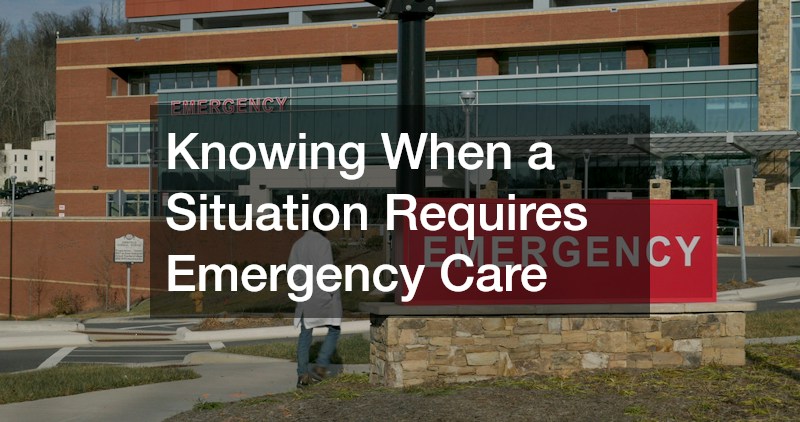
Part of a solid care plan is learning to distinguish between urgent and truly life-threatening situations. Chest pain, difficulty breathing, severe bleeding, signs of stroke, or loss of consciousness all warrant an immediate trip to the emergency room rather than a smaller clinic. Hesitating in these moments out of concern for cost or inconvenience can lead to far worse outcomes than the financial burden of a hospital visit. Talk with your family now about which symptoms should trigger an immediate call to emergency services so no one has to guess during a crisis.
- Memorize the warning signs of heart attack and stroke
- Keep your address and medical history easily accessible for first responders
- Designate a family member to handle hospital communication during an emergency
- Pack a small bag with essentials in case of an unexpected hospital stay
Preparing Your Home for Mobility Changes
A health crisis often changes how a person moves through their own home, and small adjustments made ahead of time can prevent accidents and preserve independence. Homes with stairs or multiple levels can become dangerous overnight if a sudden illness or injury limits mobility. Installing wheelchair lifts before they are urgently needed allows for a smoother transition and avoids the stress of rushing a major home modification during recovery. Thinking through these physical adjustments early is one of the most overlooked parts of personal care planning.
- Widen doorways or remove thresholds that could block a wheelchair or walker
- Install grab bars in bathrooms and near entryways
- Ensure at least one entrance is step-free
- Consider the layout of furniture to create clear, wide pathways
Reviewing Hormonal and Age-Related Health Changes
Many people overlook hormonal health until symptoms become disruptive, but understanding these changes early can prevent a future crisis from catching you off guard. For both men and women, declining hormone levels can contribute to fatigue, mood changes, weight fluctuations, and weakened bone density over time. Discussing hormone replacement therapy with a qualified physician before symptoms become severe allows you to make informed decisions rather than reactive ones. Blood work that tracks hormone levels over several years can also reveal trends that help your doctor catch imbalances before they escalate into bigger health problems.
- Ask your doctor about baseline hormone panels during routine checkups
- Track symptoms like sleep disruption, mood swings, or unexplained weight changes
- Research the risks and benefits specific to your age and health history
- Keep a record of any hormone-related treatments you have tried in the past
Exploring Specialized Treatments Before You Need Them
Part of proactive planning includes researching specialized or elective treatments that might become relevant as you age, rather than discovering them for the first time during a crisis. Some men, for example, explore options such as the Priapus shot as part of a broader conversation about sexual health and quality of life. Learning about these treatments ahead of time, including their costs, risks, and realistic outcomes, puts you in a much stronger position to make decisions calmly rather than under pressure. A good rule of thumb is to research any treatment you might consider later while you are still in a position to compare providers and ask detailed questions.
- Research credentials and reviews for any specialist you might consult
- Ask about recovery time and potential side effects in advance
- Compare costs across a few reputable providers before committing
- Keep notes on treatments you are curious about for future conversations with your doctor
Organizing Your Medical Documents and Emergency Contacts
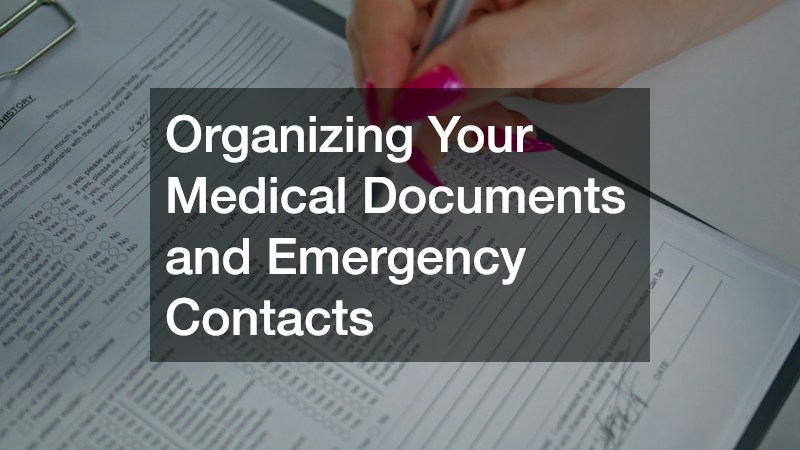
Even the best care plan falls apart if your family cannot find your medical information when they need it most. Keeping documents organized and accessible means critical decisions do not get delayed while someone searches for insurance cards or medication lists. This is especially important if you have a chronic condition, allergy, or advance directive that first responders or doctors need to know about immediately. A simple folder, whether physical or digital, can make an enormous difference during a stressful moment.
- Store copies of insurance cards, ID, and advance directives in one place
- Share access to this folder with a trusted family member or friend
- Update the folder every time a medication or diagnosis changes
- Include emergency contact numbers for your primary doctor and specialists
Revisiting and Updating Your Plan Regularly
A personal care plan is not something you create once and forget about, since health needs shift with age, lifestyle changes, and new diagnoses. Setting a reminder to review your plan every six to twelve months ensures it stays accurate and useful when you actually need it. This is also a good time to reassess whether your current doctors, clinics, and emergency contacts still make sense for your situation. Treating this as an ongoing habit rather than a one-time task is what actually makes the plan effective.
- Review your plan after any major diagnosis or life change
- Update contact information whenever you switch doctors or insurance
- Reassess home modifications as mobility needs evolve
- Share any updates with family members involved in your care
Conclusion
Building a personal care plan takes time, but it is far easier to create one with a clear head than to piece one together during an actual emergency. Start small by gathering your medical records, identifying nearby care options, and having honest conversations with your family about your wishes. Each step you take now is one less decision someone else has to make for you later. The best time to prepare for a health crisis is before it ever happens.