Big life changes—divorce, a new job, moving to a new city, retirement, or the loss of a loved one—can trigger waves of anxiety that feel impossible to control. Even positive transitions like a promotion or a new baby can leave you feeling unmoored, overwhelmed, or unlike yourself. The good news is that anxiety during transitions is common, temporary, and manageable with the right combination of support systems. This article walks through practical, real-world strategies and resources that can help you regain stability, one step at a time.
Why Life Transitions Trigger Anxiety in the First Place
Transitions disrupt routines, relationships, and identity all at once, which is why even happy changes can feel destabilizing. Your brain craves predictability, so when familiar structures shift, it often responds with heightened alertness or worry. Understanding this biological response can help you stop blaming yourself for feeling anxious and instead focus on rebuilding a sense of control. Recognizing the pattern is the first step toward choosing support systems that actually address the root cause.
- Loss of routine or daily structure
- Uncertainty about the future
- Shifts in identity or role, like becoming a parent or retiree
- Financial or logistical pressures tied to the change
- Reduced access to usual social support
Navigating the Emotional Toll of Divorce or Separation
Divorce is consistently ranked among the most stressful life events—often compared to bereavement in terms of psychological impact—and the anxiety it produces extends far beyond the emotional relationship itself into legal and financial territory. Uncertainty about custody arrangements, asset division, or monthly expenses can keep the nervous system in a prolonged state of alert, making everyday tasks feel overwhelming. This is why addressing the practical side of divorce is just as important to mental health as processing the emotional loss.
Choosing the best divorce attorney you can find is not just a legal decision but a mental health one, since a knowledgeable advocate can reduce uncertainty and help you feel more in control of the process. Look for someone with specific experience in cases similar to yours, whether that involves shared custody, business assets, or a high-conflict spouse, since their familiarity with likely obstacles can shorten the learning curve considerably. A brief consultation call can reveal a lot: notice whether they explain terminology clearly and whether their communication style leaves you feeling reassured or more confused.
Clear communication with your attorney about timelines, expectations, and worst-case scenarios can significantly lower anxiety levels during proceedings. Ask directly how long each phase typically takes, what documents will be needed, and what the realistic range of outcomes looks like given your circumstances. Having concrete numbers and milestones, even imperfect ones, gives the anxious mind something tangible to hold onto instead of spiraling into worst-case speculation.
Pairing legal support with a therapist or support group often provides the most balanced path through this transition. A therapist can help you separate the emotional grief of the relationship’s end from the logistical stress of the proceedings, so the two don’t compound each other. Support groups, whether in-person or online, also offer the reassurance that comes from hearing how others navigated similar timelines and decisions successfully.
- Ask potential attorneys how they handle high-conflict situations, including specific examples from past cases
- Request a clear breakdown of expected timeline and costs, such as hourly rates, retainer fees, and average case duration
- Clarify billing practices upfront, including how phone calls, emails, and paperwork are charged
- Look for reviews specifically mentioning communication style, responsiveness, and how well they explain legal jargon
- Consider mediation-friendly attorneys if you want a less adversarial process, which can also reduce costs by 40-60% compared to litigation
- Ask about their availability for urgent matters, especially if children or shared finances are involved
Recognizing When Anxiety Needs Professional Treatment
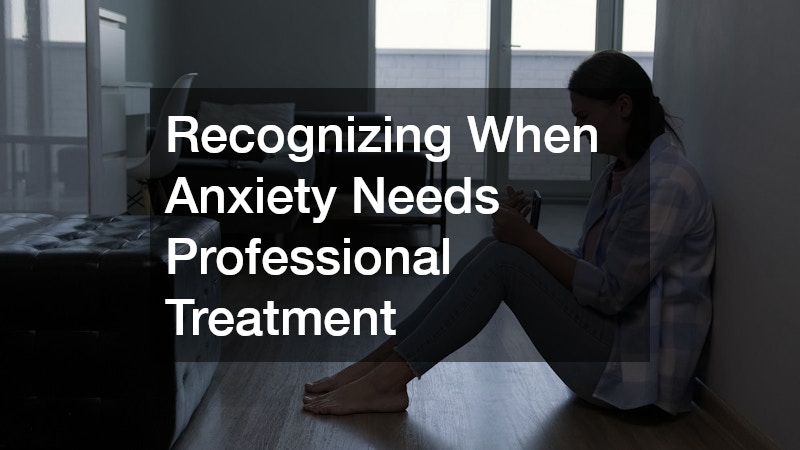
Situational anxiety during a transition is normal, but sometimes it deepens into something that requires clinical support. Warning signs that go beyond typical stress include difficulty sleeping most nights, loss of interest in activities you once enjoyed, trouble concentrating at work, or panic symptoms like a racing heart and shortness of breath that appear without warning.
If sadness, hopelessness, or numbness accompany your anxiety and last more than two weeks, seeking depression treatment from a licensed provider can prevent the situation from worsening. A mental health professional can determine whether you’re dealing with adjustment disorder, generalized anxiety, or a co-occurring depressive episode, and tailor treatment accordingly through talk therapy, medication, or a combination of both.
Left untreated, transition-related stress can sometimes lead people toward unhealthy coping mechanisms, including alcohol or drug misuse, as a way to numb difficult emotions. This is why some individuals eventually need the structured support of a drug rehab facility to regain stability, particularly when substance use has started interfering with relationships, work performance, or physical health.
Early intervention with a therapist or psychiatrist is almost always easier than waiting until symptoms become severe. Addressing concerns within the first few weeks often means shorter treatment timelines and fewer complications, so don’t hesitate to reach out to a primary care doctor or mental health hotline if you’re unsure where to start.
- Persistent low mood or excessive worry lasting more than two weeks, especially if it doesn’t ease once the transition settles
- Increased reliance on alcohol, prescription medication, or other substances to get through the day
- Withdrawal from friends, family, or daily responsibilities, such as skipping work, canceling plans, or avoiding calls
- Difficulty sleeping (either insomnia or oversleeping), changes in appetite, or trouble concentrating on routine tasks
- Physical symptoms with no clear medical cause, like chest tightness, headaches, nausea, or a racing heart
- Panic attacks that occur more than once a week or without an obvious trigger
- Thoughts of hopelessness, worthlessness, or feeling like a burden to others
- Any thoughts of self-harm or suicide, which warrant immediate professional or crisis support
Rebuilding a Sense of Safety and Confidence
Many transitions, especially those involving relocation, divorce, or living alone for the first time, come with an underlying fear about personal safety. Enrolling in a self defense class can be a powerful way to reclaim a sense of control over your body and environment during an uncertain time. Beyond the physical skills, these classes often build confidence and reduce the hypervigilance that anxiety tends to produce. Many community centers offer beginner-friendly sessions specifically designed for people going through major life changes.
- Look for classes that combine practical skills with stress management techniques
- Ask about beginner sessions if you have no prior experience
- Choose instructors who emphasize awareness over fear-based training
- Consider group classes for added social support
Managing Anxiety While Juggling Parenting Changes
Transitions involving children, such as a new job, divorce, or relocation, add another layer of complexity because your anxiety is tangled up with concern for your child’s wellbeing. You may find yourself worrying not just about your own adjustment, but about how the change will affect your child’s sense of security, routine, and emotional health.
Finding a reliable day care facility can relieve a significant amount of daily stress by giving you structured, predictable childcare during an otherwise chaotic period. Consistency for your child often translates into reduced anxiety for you as a parent, since you no longer have to manage last-minute logistics on top of everything else. Knowing that someone qualified is caring for your child while you navigate a job change, court dates, or a move gives your mind one less variable to track.
Touring multiple facilities and asking detailed questions can help you find one that feels genuinely trustworthy. Ask about staff-to-child ratios, caregiver turnover rates, daily schedules, and how they handle communication with parents during the day. It’s also worth checking licensing status, requesting references from current families, and observing how staff interact with children during your visit rather than relying solely on a scripted tour.
Beyond logistics, involve your child in age-appropriate conversations about the transition so they feel prepared rather than blindsided. Children often pick up on parental stress, so modeling calm problem-solving—like methodically researching day care options together—can reduce anxiety for both of you simultaneously.
- Ask about staff-to-child ratios and turnover rates — look for ratios like 1:4 for infants or 1:8 for toddlers, and staff retention of a year or more as a sign of stability
- Request references from current or former parents, and ask specifically how the staff handled a sick child or a scheduling emergency
- Confirm hours align with your new schedule, including drop-off and pick-up windows, late fees, and policies for early closures or holidays
- Observe a session to see how staff interact with children, noting tone of voice, patience during meltdowns, and whether kids seem comfortable approaching them
- Check licensing status and recent inspection reports through your state’s childcare database
- Trust your gut reaction during the visit — lingering unease is worth investigating further, even if everything looks fine on paper
Using Creative Expression to Process Change
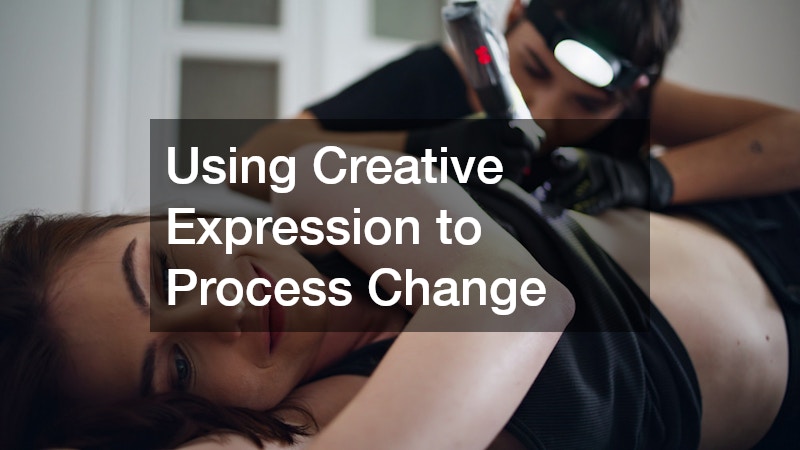
Creative outlets can be surprisingly effective tools for processing the emotional weight of a life transition. Some people find that visiting tattoo shops to commemorate a milestone, such as sobriety, a divorce finalization, or the loss of a loved one, provides a meaningful sense of closure and forward momentum. The act of choosing permanent art tied to a personal story can be therapeutic, giving people a tangible symbol of resilience. Whether or not tattoos are your style, finding some creative ritual to mark the transition can help your brain process the change as complete rather than ongoing.
- Choose a design that reflects growth rather than pain alone
- Research artists who specialize in meaningful, symbolic work
- Consider combining the experience with journaling or therapy
- Give yourself time to reflect before committing to permanent choices
Reducing Daily Burdens to Free Up Mental Energy
Anxiety often gets worse when basic life maintenance piles up on top of an already stressful transition. Outsourcing small tasks, like using a laundry service during a particularly overwhelming month, can free up hours of time and mental bandwidth for higher-priority concerns like therapy, legal appointments, or job searching. Reducing the number of daily decisions you have to make lowers overall cognitive load, which research shows is directly linked to anxiety levels. Even temporary outsourcing during the toughest weeks of a transition can make a meaningful difference.
- Identify which chores drain you emotionally, not just physically
- Consider temporary help during especially demanding weeks
- Reinvest saved time into rest or connection with loved ones
- Reassess needs as your situation stabilizes
Staying Physically Active to Regulate Stress Hormones

Physical movement is one of the most well-documented ways to reduce anxiety, largely because exercise helps metabolize stress hormones like cortisol while also boosting mood-regulating chemicals such as serotonin and endorphins. Even moderate activity, roughly 20 to 30 minutes most days of the week, can measurably lower circulating cortisol levels and blunt the body’s stress response over time.
Joining a tennis program can offer both cardiovascular benefits and a built-in social community, which is especially valuable if your transition has left you feeling isolated. The combination of aerobic exertion, quick decision-making, and regular interaction with teammates or opponents makes tennis particularly effective for channeling nervous energy into something structured and rewarding.
For those who prefer more flexible schedules, many fitness clubs now offer classes specifically designed for stress reduction, including yoga, swimming, and strength training. Yoga emphasizes breathwork and slow, controlled movement that activates the parasympathetic nervous system, while swimming’s rhythmic, low-impact nature makes it easier on joints during high-stress periods. Strength training, meanwhile, has been shown to reduce anxiety symptoms by improving sleep quality and building a sense of physical competence and control.
The key is consistency, since regular movement tends to produce more lasting anxiety relief than occasional intense workouts. Choosing an activity you genuinely enjoy, whether that’s a tennis program, a swim class, or a weightlifting session at a local gym, makes it far easier to sustain the habit through the ups and downs of a major life transition.
- Choose an activity you genuinely enjoy (walking, dancing, swimming, cycling) to increase consistency and reduce reliance on willpower
- Aim for at least 20-30 minutes most days, since this range reliably supports healthy cortisol regulation
- Look for programs with flexible scheduling for beginners, including drop-in classes or on-demand options for unpredictable weeks
- Consider group classes for accountability and social connection, especially during major transitions when isolation is common
- Try low-impact options like yoga or tai chi if high-intensity workouts feel overwhelming during high-stress periods
- Track how your mood shifts on days you exercise versus days you do not, using a simple 1-10 rating or short daily journal note
- Notice patterns over two to three weeks rather than judging results from a single session
Exploring New Skills or Career Paths During Transition

Many transitions, particularly divorce, empty nesting, or career layoffs, present an unexpected opportunity to explore a new professional direction. Some people find that enrolling in cosmetology schools or similar vocational programs gives them a renewed sense of purpose and a concrete goal to focus on during an emotionally turbulent time. Structured learning environments can also provide social connection and a sense of accomplishment that directly counters feelings of anxiety and stagnation. Choosing a program with a supportive, beginner-friendly environment makes the transition into a new field feel far less intimidating.
- Research programs with flexible schedules for career changers
- Ask about job placement support after graduation
- Talk to current students about the learning environment
- Consider part-time options if you are balancing other responsibilities
Anxiety during a major life transition does not mean something is wrong with you; it simply means your mind and body are adjusting to significant change. By combining professional support, practical logistics, physical activity, and meaningful personal rituals, you can build a support system tailored to your specific situation. Start with one or two changes that feel most manageable right now, rather than trying to overhaul everything at once. With patience and the right resources in place, this transition can become a foundation for greater resilience rather than a lasting source of stress.