Physical changes are a natural part of aging, but they can affect how comfortable and confident a person feels in their own home. Tasks that once felt simple may begin to take more effort, and certain areas of the house may no longer feel as safe or accessible as they once did. These changes can be frustrating, especially for those who value their independence.
The good news is that a home can be adjusted to better support changing needs. Thoughtful upgrades can reduce strain, improve safety, and make everyday routines feel more manageable. These improvements do not have to happen all at once. Even small changes can make a noticeable difference in comfort and quality of life.
This guide walks through practical ways to adapt a home so it continues to support independence and well-being over time.
Start With a Whole-Home Safety and Comfort Assessment
Before making any upgrades, it helps to understand where challenges exist. A clear assessment allows you to focus on the areas that will have the greatest impact.
Evaluate Daily Movement and Routines
Take time to observe how movement happens throughout the home. Notice where there may be hesitation, discomfort, or risk. Common problem areas include:
- Staircases
- Bathrooms
- Entryways
- Tight or cluttered pathways
These are often the first places where adjustments can improve safety.
Identify Where Support Is Needed
In some situations, bringing in professional insight can be helpful. Home health care services can offer guidance on adapting a home to specific physical needs. They often look at mobility, balance, and daily routines to recommend practical changes.
A home health aid can also provide valuable feedback. Because they assist with everyday tasks, they often notice patterns that others may miss, such as difficulty reaching certain areas or challenges with standing for extended periods.
Create a Priority List
After identifying key concerns, organize them into a list based on urgency. Focus first on upgrades that reduce immediate safety risks, such as improving access or preventing falls.
Tips for a Strong Assessment
- Walk through the home at different times of day
- Pay attention to lighting and visibility
- Note any areas that feel difficult to navigate
- Ask for honest feedback from the person living in the space
Taking the time to assess the home carefully ensures that every upgrade serves a clear purpose.
Improve Movement With Targeted Exercise and Professional Input
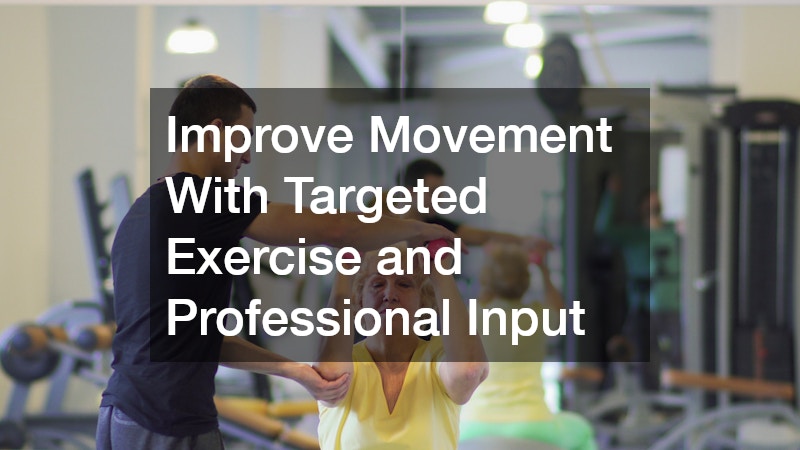
Physical ability can change gradually, which makes it important to stay proactive about movement and strength. Even small efforts can help maintain independence.
Work With a Trusted Professional
A local physical therapist can create a personalized plan that focuses on strength, balance, and flexibility. These programs are designed to match individual abilities and can be adjusted over time.
Working with a professional helps ensure that exercises are safe and effective. It also provides guidance on how to avoid injury.
Build a Simple Routine
Consistency is more important than intensity. A short daily routine can make a meaningful difference. This might include:
- Gentle stretching
- Balance exercises
- Light strength training
These activities support stability and make everyday movements easier.
Pay Attention to Your Body
Regular self reflection helps track changes in comfort and ability. Notice when movements feel easier or more difficult and adjust routines accordingly.
This awareness allows for better decision-making and helps prevent overexertion.
Stay Motivated With Realistic Goals
Set small, achievable goals that build confidence over time. Progress may be gradual, but consistency leads to lasting improvement.
Practical Movement Tips
- Keep exercises simple and manageable
- Use stable surfaces for support when needed
- Stop if something feels painful or unsafe
- Check in regularly with a professional for updates
Improving movement is not about pushing limits. It is about maintaining strength and confidence in a safe and sustainable way.
Make Multi-Level Homes Easier to Navigate
Stairs can become one of the biggest challenges in a home. As mobility changes, navigating between levels may feel risky or exhausting.
Recognize When Stairs Become a Concern
Warning signs may include:
- Holding onto walls or railings for support
- Feeling unsteady while climbing or descending
- Avoiding certain areas of the home
Addressing these concerns early can prevent accidents.
Consider Practical Solutions
Stair lifts offer a reliable way to move between floors without strain. They are designed to provide a smooth and secure ride, reducing the physical effort required.
For homes with more complex layouts or long-term needs, working with an elevator installation service may be a better option. This type of upgrade can provide easier access to all levels of the home and support future mobility changes.
Focus on Safety Features
When choosing equipment, look for:
- Secure seating and safety belts
- Easy-to-use controls
- Backup power options
- Smooth and quiet operation
These features improve both safety and comfort.
Plan for Long-Term Use
It is often more cost-effective to choose a solution that will meet future needs, not just current ones. Thinking ahead can reduce the need for later upgrades.
Helpful Planning Tips
- Measure staircases and available space carefully
- Consider how frequently the feature will be used
- Compare different options and providers
- Ask about maintenance and support
Making a home easier to navigate helps preserve independence and reduces daily stress.
Add Low-Impact Wellness Features at Home

Staying active is important at any age, but it becomes even more valuable as we age and face physical changes. The right home features can make movement feel safer, more comfortable, and easier to maintain as part of a daily routine.
Focus on Gentle, Joint-Friendly Activity
Low-impact exercise helps maintain strength and flexibility without placing unnecessary stress on the body. Smooth, controlled activities are often easier to sustain over time.
Benefits of low-impact movement include:
- Improved circulation
- Better balance and coordination
- Reduced stiffness in joints
- Support for overall mobility
Consider Water-Based Options
For many people, water provides a supportive environment that reduces joint pressure. A swim spa installation can create a private, convenient space for gentle home exercise.
Water-based movement can help with:
- Light resistance training
- Stretching and range of motion
- Relaxation after physical activity
It can also feel less intimidating than traditional exercise, making it easier to stay consistent.
Get Guidance for Safe Movement
Even with the right setup, it is important to use it safely. A local physical therapist can recommend specific movements that match your abilities and goals. They can also help you avoid movements that might cause strain.
Make It Part of a Routine
The goal is to create a habit that feels manageable. This might mean short sessions a few times a week rather than long, intense workouts.
Simple Ways to Stay Consistent
- Schedule activity at the same time each day
- Start with shorter sessions and build gradually
- Keep equipment or space easily accessible
- Track progress in a simple way
Adding wellness features at home makes it easier to stay active without needing to travel or rely on outside facilities.
Adapt Personal Care Spaces for Ease and Privacy
Daily routines like bathing, dressing, and grooming should feel safe and comfortable. Making small adjustments in personal care areas can reduce strain while preserving a sense of independence.
Improve Bathroom Accessibility
Bathrooms are among the most common places where accidents occur. Simple changes can make a big difference, such as:
- Installing grab bars near showers and toilets
- Using non slip mats
- Adjusting shower height or adding seating
These improvements help reduce the risk of falls.
Support Comfort During Daily Tasks
Standing for long periods can be tiring. Adding supportive seating can help. A back cushion can make a standard chair more comfortable during grooming or dressing, especially when extra support is needed.
Balance Help With Independence
There may be times when assistance is necessary. A home health aid can provide support with personal care while still respecting privacy and dignity. Their role is to assist where needed, not take over completely.
Keep Essentials Within Reach
Reorganizing storage can make daily routines smoother. Place frequently used items at a comfortable height to avoid bending or stretching.
Helpful Setup Tips
- Use bright lighting for better visibility
- Keep pathways clear and uncluttered
- Choose fixtures that are easy to operate
- Test new setups to ensure they feel comfortable
Adapting personal care spaces allows individuals to maintain control over their routines while staying safe.
Address Appearance Changes With Confidence and Care

Physical changes can affect how a person feels about their appearance. These changes are normal, but they can still impact confidence and emotional well-being.
Recognize Common Changes
As the body changes, it is natural to notice differences in skin, hair, and overall appearance. These shifts can sometimes feel unexpected or difficult to accept.
Explore Supportive Options
For those experiencing thinning hair, hair loss treatment options are available and can be tailored to individual preferences. These solutions may help improve confidence and provide a sense of control over appearance.
Encourage Consistent Self-Care
Small routines can help maintain a sense of normalcy and confidence. This might include:
- Regular grooming habits
- Comfortable and well-fitting clothing
- Taking time for personal care activities
Tips for Building Confidence
- Set realistic expectations for change
- Focus on what feels good rather than perfect
- Seek support when needed
- Celebrate small improvements
Addressing appearance changes with care and understanding helps support both emotional and physical well-being.
Create Comfortable Recovery and Rest Zones
Rest is essential for managing physical changes. Having a dedicated space that supports relaxation and recovery can make a noticeable difference in daily comfort.
Design a Space That Promotes Relaxation
A rest area should feel calm, quiet, and easy to access. This space can be used for naps, reading, or simply taking a break during the day.
Choose Supportive Sleep Surfaces
The right mattress plays a key role in recovery. Visiting a mattress shop allows individuals to find options that provide the support they need based on their physical condition.
Incorporate Helpful Support Systems
In some cases, additional monitoring or assistance may be needed during recovery. Home health care services can help ensure that individuals are receiving the support they need while maintaining as much independence as possible.
Reduce Physical Strain
Arrange the space so that essential items are within reach. This might include:
- Water
- Medications
- Reading materials
- Personal devices
Create a Routine for Rest
Regular rest periods can help manage fatigue and support overall health. Try to maintain a consistent schedule that includes time to relax and recover.
Simple Comfort Tips
- Use soft lighting to create a calming environment
- Keep the area well ventilated
- Minimize noise and distractions
- Choose furniture that is easy to get in and out of
A well-designed recovery space supports both physical healing and emotional comfort.
Plan for Long-Term Accessibility and Future Needs
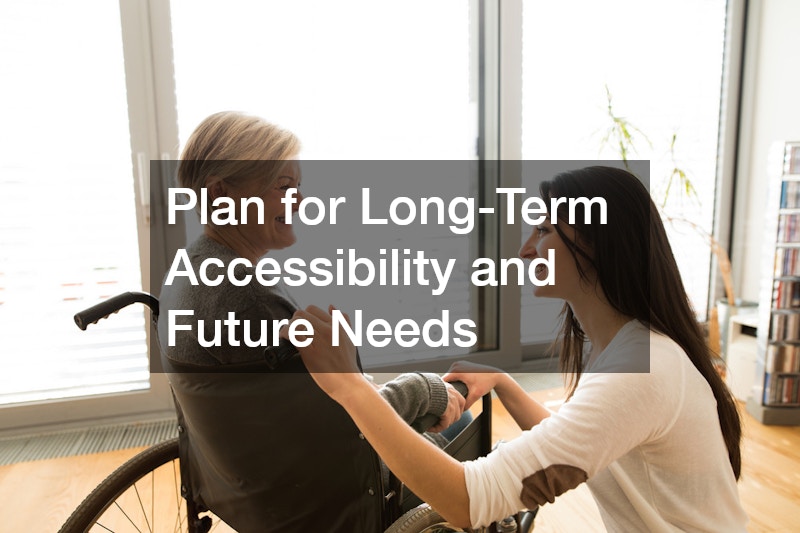
Making home upgrades is not just about addressing current challenges. It is also about preparing for what may come next. Planning ahead can reduce stress, avoid repeated renovations, and help maintain independence for longer.
Think Beyond Immediate Needs
It is easy to focus only on what feels difficult today, but taking a broader view can lead to better decisions. Consider how mobility, strength, and balance might change over the next several years.
Questions to ask include:
- Will certain areas become harder to access over time
- Are there features that could prevent future safety concerns
- Can current upgrades be expanded or adjusted later
Balance Cost With Long-Term Benefits
Accessibility upgrades can require an upfront investment, but they often reduce future costs related to injuries, additional care, or major renovations.
When planning your budget:
- Compare the lifespan of different solutions
- Factor in maintenance and service needs
- Consider how each upgrade improves daily life
Plan Upgrades in Stages
Not every improvement needs to happen at once. Breaking projects into phases can make the process more manageable.
A phased approach might look like:
- Addressing safety concerns first
- Improving comfort and usability next
- Adding long-term accessibility features later
Tips for Future Focused Planning
- Choose durable materials that will last over time
- Avoid designs that limit future modifications
- Keep documentation of upgrades for future reference
- Reevaluate your needs regularly
Planning ahead helps ensure that your home continues to meet your needs without constant changes or disruptions.
Stay Active, Engaged, and Independent at Home
Maintaining independence is about more than physical safety. It also involves staying active, engaged, and connected to daily life. A home that supports movement and personal care can help make this possible.
Keep Movement Part of Daily Life
Regular activity helps maintain strength, flexibility, and overall health. Features like a swim spa installation can make it easier to stay active without leaving home. Having a dedicated space for movement encourages consistency and reduces barriers to exercise.
Simple activities can include:
- Gentle stretching
- Walking short distances
- Light water-based movement
- Balance exercises
The goal is to stay consistent rather than push too hard.
Stay Mentally and Socially Engaged
Engagement is just as important as physical activity. Consider:
- Spending time with family and friends
- Participating in hobbies or creative activities
- Keeping a regular daily routine
These activities help maintain a sense of purpose and connection.
Create a Supportive Environment
A well-designed home should make it easier to stay involved in daily life. Keep frequently used spaces accessible and inviting so that activities feel natural and enjoyable.
Tips for Staying Engaged
- Set small daily goals
- Keep favorite activities within easy reach
- Stay connected with others regularly
- Celebrate progress, no matter how small
Staying active and engaged supports both physical and emotional health, helping individuals maintain independence in a meaningful way.
Turning Small Changes Into Meaningful Improvements

Managing physical changes at home is an ongoing process that benefits from patience, planning, and thoughtful adjustments. Each improvement, no matter how small, contributes to a safer and more comfortable living environment.
By focusing on practical upgrades, supportive routines, and long-term planning, it becomes possible to maintain independence while adapting to changing needs. The goal is to create a home that works with you, not against you.
With the right approach, a home can remain a place of comfort, confidence, and stability for years to come.