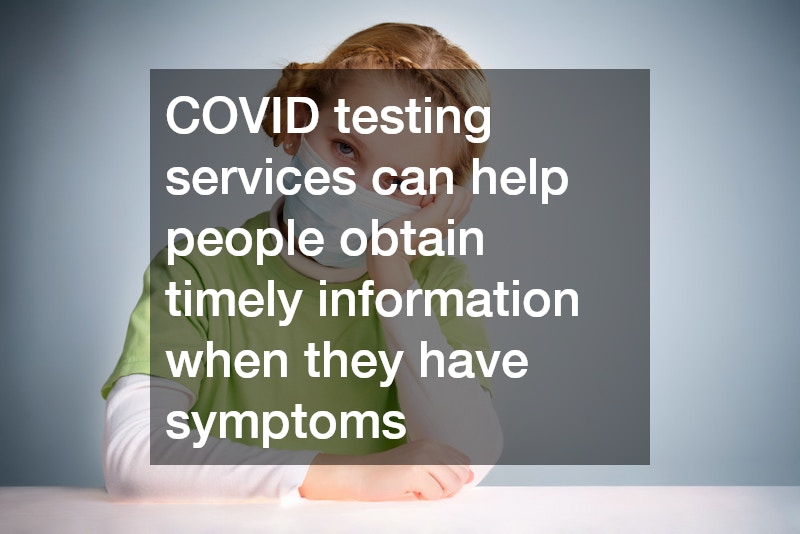
COVID-19 can cause symptoms that overlap with other respiratory illnesses, making it difficult to know what is causing a cough, fever, sore throat, fatigue, or congestion. Testing can provide useful information when someone has symptoms, has been exposed to the virus, or needs to determine whether they may be able to attend work, school, or other activities.
COVID testing services can make testing more accessible by providing convenient options for people who want to understand their current health status. Knowing when testing may be useful, how different tests work, and what to do with the results can help people make informed decisions about their health and their interactions with others.
Understanding When Testing May Be Helpful
Testing may be appropriate when you develop symptoms associated with COVID-19. Common symptoms can include fever, chills, cough, sore throat, congestion, runny nose, fatigue, headache, muscle aches, nausea, vomiting, or diarrhea. Symptoms can vary from person to person, and some people may have no symptoms at all.
Testing can also be useful after a known exposure. If you have recently spent time around someone who tested positive, following current testing recommendations can help you determine whether you may have an infection. Timing matters, however, because testing too soon after exposure may not detect the virus.
People may also choose to test before or after certain events, particularly when they will be around individuals who may be more vulnerable to severe illness. A healthcare provider can help determine when testing is appropriate based on your circumstances.
Exploring Different Types of COVID Tests
Several types of COVID-19 tests are available, with molecular and antigen tests being among the most common. These tests work differently and can have different levels of sensitivity.
Molecular tests, including polymerase chain reaction tests, detect genetic material from the virus. They are generally more sensitive than antigen tests, meaning they may be better at detecting lower amounts of the virus.
Antigen tests look for specific proteins associated with the virus. They can typically provide results more quickly and may be available in convenient settings. However, a negative antigen result does not always rule out an infection, particularly when someone has symptoms or has recently been exposed.
Because testing technology and recommendations can change, patients should follow the instructions provided with the test and consult a healthcare professional when they have questions about their results.
Making Testing More Convenient
One advantage of COVID testing services is that they can provide people with access to testing without requiring a traditional appointment with a primary care provider. Depending on the facility, testing may be available during extended hours or through walk-in appointments.
Convenience can be particularly helpful when someone develops symptoms outside normal office hours. Rather than waiting for a routine appointment, a person may be able to visit an appropriate testing location and receive information sooner.
Before visiting a testing facility, check its current hours, appointment requirements, available test types, and expected turnaround time. Services can vary between locations, so confirming these details ahead of time can prevent unnecessary delays.
Using Results to Make Informed Decisions
A test result can provide useful information, but it should be considered alongside symptoms, exposure history, and other circumstances. A positive result generally indicates that the virus was detected, while a negative result does not necessarily guarantee that an infection is absent.
If you receive a positive result, follow current public health and healthcare guidance regarding staying home, reducing contact with others, and returning to normal activities. If you have questions about what to do next, contact a healthcare professional.
If you receive a negative result but continue to experience symptoms, additional testing or medical evaluation may be appropriate. Some respiratory illnesses have symptoms similar to COVID-19, so a negative COVID-19 test does not necessarily explain why you feel sick.
Preparing for a Testing Visit
A little preparation can make a testing visit easier. Before arriving, confirm whether the location requires an appointment and determine which types of tests are available. You may also want to ask how results will be delivered and how long they typically take.
If you have symptoms, make note of when they began and whether they have changed. If you know that you were exposed to someone with COVID-19, note when that exposure occurred. Providing this information can give a healthcare professional useful context.
It is also helpful to bring any necessary identification, insurance information, or other documents requested by the testing location.
COVID testing services can help people obtain timely information when they have symptoms, have been exposed to COVID-19, or need to make decisions about interacting with others. Understanding the differences between common tests and knowing how to interpret results can make the testing process less confusing.
Testing is one tool for managing respiratory illnesses, but it should be considered alongside symptoms, exposure history, and current health guidance. If you are unsure whether you need testing or medical care, speaking with a healthcare professional can help you determine the most appropriate next step.