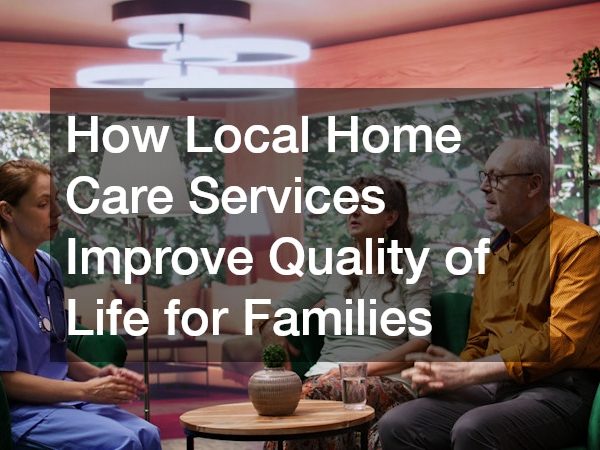
Caregiving is rarely a single role. It’s part advocate, part coordinator, part emotional support system, and part crisis manager—often all before lunch. Whether you’re caring for an aging parent, a partner, a child, or another loved one, you’re likely juggling appointments, monitoring symptoms, managing routines, and making decisions that carry real weight. Most caregivers aren’t trained healthcare professionals, yet they’re expected to understand a complex system quickly and act confidently under pressure.
What makes caregiving especially challenging is that care rarely fits into one neat category. Some situations require fast decisions. Others call for long-term planning. Some benefit from specialized medical oversight, while others are best supported at home or through whole-person approaches. Knowing how to navigate these options doesn’t just improve outcomes for your loved one—it also protects your own well-being.
This guide breaks down practical strategies caregivers can use to make informed, compassionate decisions across a wide range of care scenarios. Instead of focusing on diagnoses or technical jargon, the emphasis is on how to choose the right type of care at the right time, how to support recovery and independence, and how to build sustainable routines that don’t leave you burned out. You don’t need to do everything at once—but you do deserve clarity.
1. Know When Immediate Care Is Appropriate
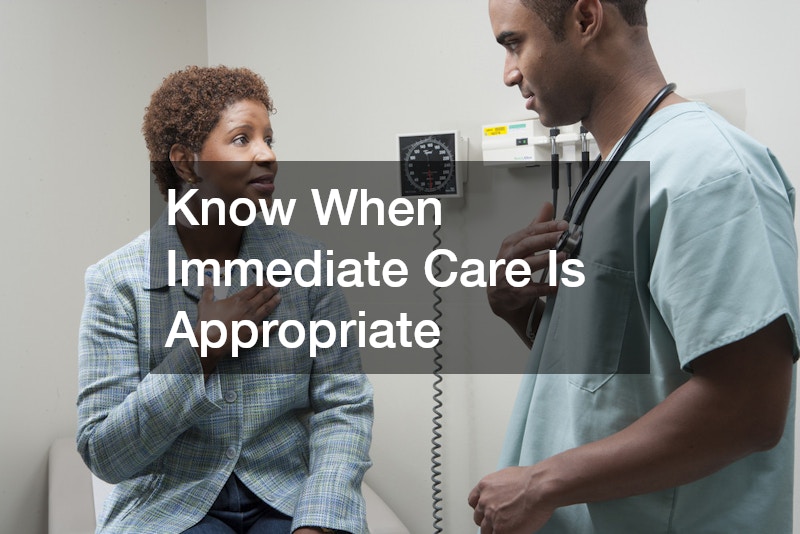
Caregivers often struggle with the “Is this serious enough?” question. Acting too late can cause harm, but acting too early can create unnecessary stress and expense. One helpful middle-ground option in many situations is walk in clinics, which can address time-sensitive but non-life-threatening concerns without the intensity of a full emergency response. Having this option available helps caregivers make decisions with more confidence instead of second-guessing every symptom. It also reduces emotional strain by offering a practical alternative when situations feel urgent but not critical.
This type of care can be useful when symptoms come on quickly but aren’t severe, such as sudden fevers, minor injuries, infections, or medication-related questions. For caregivers, the biggest advantage is accessibility—no long-term planning required, and often shorter wait times. Quick access to care can prevent minor issues from escalating into larger problems. It also allows caregivers to address concerns promptly while maintaining normal routines as much as possible.
To make these visits smoother:
-
Keep a short medical summary on your phone or in your bag
-
Bring a current medication list, including dosages
-
Write down symptoms and when they started before you arrive
-
Ask clarifying questions, even if you feel rushed
Knowing when and how to use same-day care helps caregivers respond promptly without defaulting to panic. It also builds confidence—something caregivers need just as much as their loved ones do.
2. Prepare for High-Stress Medical Emergencies
True emergencies are overwhelming, especially when you’re responsible for someone else’s safety. In those moments, the emergency room can feel chaotic, loud, and emotionally draining. Preparation won’t remove the fear, but it can significantly reduce confusion. When caregivers know what to expect, they’re better able to stay focused and make clear decisions under pressure. Even small preparation steps can create a sense of control during otherwise unpredictable situations.
Caregivers benefit from planning before an emergency occurs. That includes knowing where to go, what information to bring, and how to communicate clearly under stress. Preparing in advance allows caregivers to respond quickly instead of scrambling for details in the moment. This kind of readiness helps ensure that critical information is shared accurately when it matters most.
Keep essentials accessible:
-
Copies of insurance cards and IDs
-
A brief medical history
-
Known allergies and chronic conditions
-
Emergency contacts
During urgent situations, caregivers often have to advocate while managing their own fear. Don’t hesitate to ask providers to repeat information or explain next steps. If possible, take notes or ask for written summaries.
After the immediate crisis, caregivers may need support too. Emotional decompression, rest, and follow-up questions are part of responsible care—not signs of weakness. Preparing for emergencies is not about expecting the worst; it’s about protecting everyone involved.
3. Support Recovery From Injuries and Mobility Issues
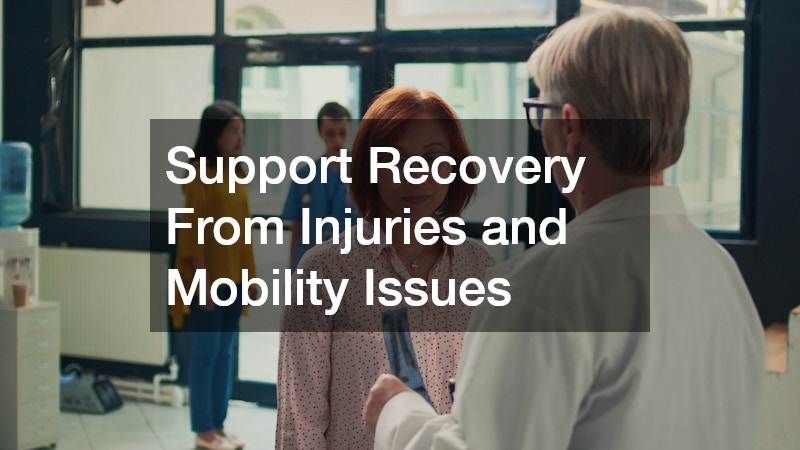
Injuries, joint pain, and mobility limitations can quickly reshape daily life for both caregivers and loved ones. Appointments with an orthopedic clinic often come with new routines, restrictions, and recovery timelines that require careful coordination.
Caregivers frequently manage:
-
Transportation to appointments
-
Medication schedules
-
Physical therapy exercises
-
Home safety adjustments
Recovery is rarely linear. There may be good days followed by setbacks, which can feel discouraging for everyone involved. Caregivers play a crucial role in maintaining realistic expectations and encouraging consistency without pressure.
Helpful strategies include:
-
Creating visual schedules for exercises or rest periods
-
Adjusting the home to reduce fall risks
-
Celebrating small milestones, not just major improvements
-
Communicating openly with providers about challenges
Mobility-related care isn’t just physical—it affects mood, independence, and identity. Compassion and patience are just as important as compliance with medical instructions. When caregivers acknowledge these emotional layers, they help loved ones feel seen rather than defined by their limitations.
4. Encourage Sustainable Lifestyle Changes Without Pressure
Health-related behavior changes are deeply personal, and caregivers often walk a fine line between support and control. In some cases, a weight loss clinic may be introduced as part of a broader wellness plan, particularly when health risks are involved.
Caregivers can help by focusing on encouragement rather than outcomes. Sustainable change is about habits, not perfection. That means supporting realistic goals, respecting autonomy, and avoiding language that feels judgmental or pressuring.
Ways caregivers can offer support include:
-
Helping with meal planning or grocery shopping
-
Encouraging movement that fits ability levels
-
Modeling balanced habits without enforcing them
-
Acknowledging emotional factors tied to food and body image
Progress may be slow, and setbacks are normal. The caregiver’s role is not to “fix” behavior, but to create an environment where healthier choices feel possible and supported over time. Patience, encouragement, and realistic expectations help build trust and reduce feelings of pressure or failure.
5. Create a Safe and Supportive Daily Environment

As needs change, daily life can become harder to manage alone. In these situations, home care can provide valuable support while allowing loved ones to remain in familiar surroundings. For caregivers, this type of assistance often eases both physical and emotional strain.
Support may include help with:
-
Personal care routines
-
Medication reminders
-
Light housekeeping
-
Mobility and safety supervision
Introducing outside help can feel uncomfortable at first. Loved ones may resist, and caregivers may feel guilty or worried about losing control. Clear communication and gradual transitions help ease this process.
Benefits for caregivers include:
-
Reduced burnout
-
More time for emotional connection
-
Improved consistency in care
-
Better work-life balance
Accepting help is not a failure. It’s a strategic decision that supports long-term caregiving sustainability. Allowing others to share responsibility protects caregivers from burnout and preserves their ability to provide consistent, compassionate care over time.
6. Consider Whole-Person Approaches to Wellness
Caregiving isn’t only about treating symptoms—it’s also about supporting emotional balance, stress reduction, and overall quality of life. Some families explore holistic medicine as part of a broader wellness approach, particularly when traditional care doesn’t address every concern.
Caregivers should approach complementary options thoughtfully:
-
Research providers carefully
-
Communicate openly with medical professionals
-
Avoid replacing essential treatments without guidance
-
Focus on supportive practices, not miracle claims
Whole-person care may include stress management, mindfulness, nutrition awareness, or gentle movement practices. These approaches can benefit both caregivers and loved ones, especially in managing chronic stress. When practiced consistently, they can also improve sleep, emotional regulation, and overall resilience during challenging periods.
The goal isn’t to choose sides between conventional and alternative care—it’s to build a balanced, informed plan that respects physical, emotional, and mental health needs together. Open communication between all care providers helps ensure that approaches work collaboratively rather than in isolation. This integrated mindset allows caregivers to support health in a way that feels both practical and compassionate.
7. Address Chronic Pain and Physical Strain Thoughtfully

Chronic pain affects more than the person experiencing it—it reshapes daily routines, moods, and relationships. Some caregivers explore options like a chiropractor when musculoskeletal discomfort limits function or quality of life.
Caregivers can support pain management by:
-
Helping track symptom patterns
-
Encouraging consistency with care plans
-
Monitoring how pain affects sleep and mood
-
Advocating for adjustments when treatments aren’t working
Pain management often requires patience. Relief may be gradual, and results vary. Caregivers help most by validating the experience rather than minimizing it. Acknowledging discomfort builds trust and encourages open communication about what is or isn’t working. Over time, this supportive approach can make treatment plans easier to follow and adjust.
Equally important is protecting your own body. Caregivers frequently develop back, shoulder, and joint pain from physical tasks. Seeking support early helps prevent long-term injury for everyone involved. Using proper lifting techniques, assistive devices, and asking for help when needed can significantly reduce physical strain.
8. Improve Communication and Daily Independence
Hearing challenges are often underestimated, yet they significantly affect safety, confidence, and connection. When a hearing aid becomes part of daily life, caregivers play a key role in supporting successful use.
Common challenges include:
-
Resistance to wearing devices consistently
-
Difficulty adjusting settings
-
Frustration during conversations
-
Misunderstanding instructions or alerts
Caregivers can help by:
-
Encouraging patience during the adjustment period
-
Supporting routine maintenance
-
Reducing background noise during conversations
-
Reinforcing the benefits through positive experiences
Improved hearing often leads to better social engagement and emotional well-being. For caregivers, fewer communication breakdowns also mean less stress and stronger relationships. Clearer communication can reduce daily frustrations, improve safety, and help loved ones feel more confident and connected in their interactions.
9. Navigate Sensitive Recovery and Behavioral Health Needs
Supporting someone through addiction or recovery is one of the most emotionally complex caregiving roles. A substance abuse treatment center may provide structured support, but caregivers still carry significant responsibility outside formal care settings.
Key challenges include:
-
Balancing compassion with boundaries
-
Managing relapse fears
-
Protecting household stability
-
Coping with emotional exhaustion
Caregivers benefit from education, peer support, and clear role definitions. You are not responsible for another person’s choices—but you can support recovery by encouraging accountability, consistency, and professional guidance. Understanding where your responsibility begins and ends helps prevent emotional exhaustion and misplaced guilt. Clear boundaries allow caregivers to remain supportive without becoming overwhelmed or enabling harmful patterns.
Caregiver self-care is especially critical here. Counseling, support groups, and respite time are not optional extras—they’re essential tools for sustaining your own mental health. These resources provide space to process stress, frustration, and fear in a healthy way. When caregivers are emotionally supported, they are better able to offer steady, compassionate care over time.
10. Support Care During Pregnancy and Postpartum Transitions
Pregnancy and postpartum periods can involve significant physical and emotional shifts, particularly when complications arise. Caregivers supporting someone through obstetric care often help manage appointments, monitor symptoms, and provide daily support during recovery.
Helpful caregiver roles may include:
-
Assisting with scheduling and transportation
-
Helping interpret care instructions
-
Supporting rest and recovery at home
-
Watching for signs of physical or emotional distress
Postpartum care doesn’t end after delivery. Recovery takes time, and caregivers help ensure that support continues beyond the immediate transition. Clear communication, patience, and shared responsibility all contribute to healthier outcomes for everyone involved.
Caregiving is not about having all the answers—it’s about learning how to ask the right questions and knowing where to turn when needs change. Specialized care, home-based support, and whole-person approaches all have a place, and understanding how they fit together empowers caregivers to make thoughtful, confident decisions. When caregivers feel informed, they’re better equipped to respond calmly instead of reacting out of stress or uncertainty. That confidence can reduce emotional strain while improving outcomes for both caregivers and the people they support.
No single solution works for every situation. What matters most is flexibility, communication, and recognizing that care evolves over time. Supporting someone else’s health doesn’t mean sacrificing your own. In fact, sustainable caregiving depends on protecting your energy, your boundaries, and your well-being. When caregivers ignore their own limits, burnout becomes more likely and care quality often suffers. Prioritizing self-care is not indulgent—it’s a necessary part of long-term caregiving success.
You are not expected to navigate complex systems alone. Knowledge, planning, and support turn caregiving from constant reaction into intentional care—and that benefits everyone involved. Seeking guidance and leaning on available resources allows caregivers to make decisions with greater clarity and less guilt. With the right tools and support network, caregiving becomes more manageable and far less isolating.